
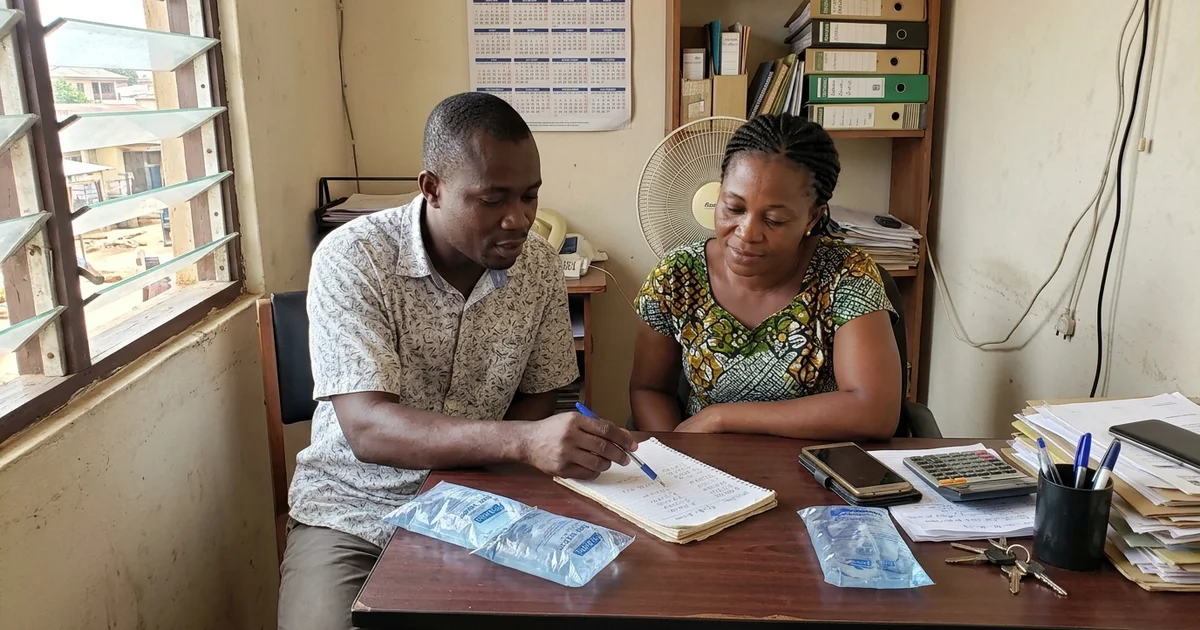
SEO vs Paid Ads for Small Business: Speed or Durability
The choice between speed and durability is the first major decision you must make when allocating your marketing budget. We see this exact struggle every day as a digital marketing agency in Ghana. Deciding on seo vs paid ads for small business means choosing between instant traffic and long-term organic growth.
Data from DataReportal shows Ghana’s internet penetration reached 74.6% in 2026.
That number represents over 26 million people going online to find local products and services. Our plan is to break down the exact costs and explain the timelines for both channels. Then, you will get a clear roadmap to help you choose the right starting point.

Understanding the Two Timelines
Paid search campaigns deliver instant visibility. You can launch a Google Search or Meta campaign and start receiving calls or WhatsApp messages within days. The catch is that ads are essentially rented attention, meaning your leads stop the exact moment your budget runs out.
Organic search rankings require patience but offer lasting value. Securing a spot in the Google Maps 3-Pack requires weeks or months of consistent work on your Google Business Profile, website content, and local citations. Google reports that fully completed profiles earn 7x more clicks than incomplete ones in 2026.
We focus our Local SEO services on building this exact type of long-term asset. Once you secure top rankings, those positions keep sending customers without a cost per click.
The key idea
Ads stop when spend stops. Rankings compound. Most businesses need some of each, in the right order.
How the Costs Compare
Both marketing channels carry a professional management cost, but advertising requires an additional direct payment to platforms like Google or Meta. This fundamental difference dictates how you should plan your monthly budget.
We break down these expenses clearly so you know exactly where your money goes.
Industry benchmarks from BrightLocal in 2026 show that an average local business profile receives over 1,000 searches per month. Capturing that organic traffic requires an upfront investment in optimization, while paid traffic requires a constant ad spend.
| Investment Area | Local SEO Strategy | Paid Ads Campaigns |
|---|---|---|
| Our management fee | $399 first month, then $199/month | From $299/month |
| Platform spend | None | Billed separately, set by you |
| Time to first results | Weeks for early movement, months for competitive positions | Days |
| What happens if you stop | Rankings fade slowly | Leads stop almost at once |
| Best for | Fixed locations, steady demand | Urgent needs, launches, offers |
Breaking Down the Monthly Investment
Organic search requires a heavier lift in the beginning. The higher first-month cost covers a comprehensive technical audit, keyword research, profile fixes, and building 25 foundational local citations. The ongoing monthly fee then sustains daily profile posts, fresh citations, and detailed tracking.
Paid campaigns operate on a different financial model. The management fee covers targeting, tracking, and constant campaign optimization. Your actual ad spend goes straight to the advertising network.
We always bill ad spend separately in our lead generation service so you maintain complete financial transparency. For context, typical cost-per-click rates on Google Ads in Ghana range from $0.10 to $0.50, though competitive niches often demand higher bids.
A Simple Decision Matrix
Your current business stage and immediate cash flow needs should dictate your starting channel when debating local seo vs ppc. Our team uses a specific framework to guide business owners through this exact choice.
Recent data from SOCi indicates that 46% of all Google searches carry local intent. This means people are actively looking for businesses near them right now.
We evaluate your specific situation to capture that local demand effectively.
Scenario-Based Recommendations
- You just opened a new location: Start with paid search. You need immediate cash flow, and an organic profile has no historical authority to build on yet. You must set up your free Google Business Profile simultaneously to start the clock on collecting customer reviews.
- You run a seasonal promotion: Launch targeted ads for the season. A holiday sale or back-to-school offer has a strict deadline. You can switch Google or Meta campaigns on and off to match this short window.
- You operate an established shop or clinic: Prioritize your organic foundation. You already have a physical address, a customer base, and steady demand. Reaching the Maps 3-Pack for primary search terms will generate consistent calls without a click cost.
- You compete in a crowded Accra neighborhood: Run both strategies concurrently. Highly competitive districts like Osu or East Legon require months of organic work to rank. Paid placements will maintain your lead flow while your organic authority catches up.
- You serve customers across the entire city: Lean heavily towards paid campaigns for broader reach. Google Maps strictly favors businesses geographically closest to the searcher’s physical location. Sponsored placements allow you to bypass this distance filter and reach clients on the far side of town.
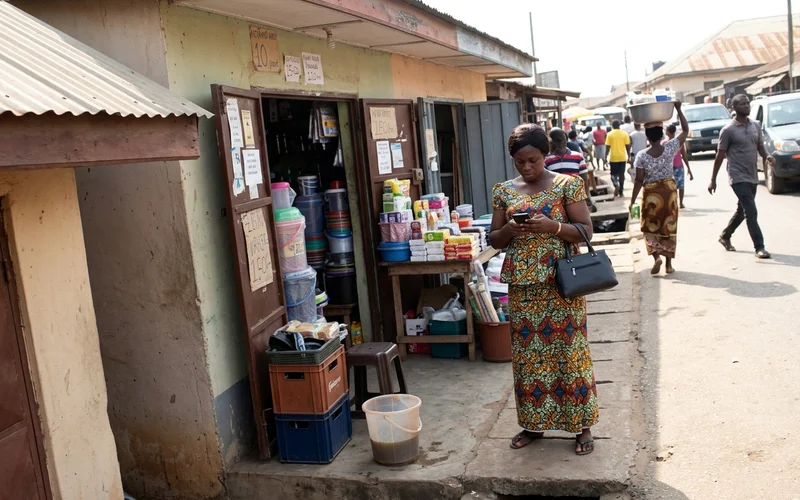
Over 70% of these local searches happen on mobile phones. You must ensure your landing pages load quickly and display contact buttons clearly.
Why Running Both Usually Wins
Dominating the search results page with both a sponsored listing and an organic map placement establishes undeniable brand authority. We consistently see higher conversion rates when a business appears twice for the same search query.
The synergy between organic vs paid search creates a powerful flywheel effect.
A 2026 study by Birdeye found that 86% of Google Business Profile impressions come from discovery searches rather than direct brand searches. This proves that consumers are comparing options actively, and seeing your name multiple times wins their trust.
How The Channels Support Each Other
The data you gather from one strategy directly improves the performance of the other.
- Search term validation: Campaign analytics reveal exactly which keywords convert into paying customers. You can then confidently focus your organic content creation on those proven, high-value terms.
- Enhanced credibility: Generating consistent five-star reviews improves your map rankings and makes your paid placements far more persuasive.
- Technical performance: Upgrading your website speed and mobile usability lowers your cost-per-click and boosts your organic ranking simultaneously.
We designed the Local Growth Package around this exact multi-channel philosophy. The package delivers managed search optimization, ad campaign execution, website management, and social media posting for $699 per month, with ad spend handled separately.
Our detailed breakdown on the package vs separate services explains the math behind this bundled approach.
How to Measure Each Channel
Defining clear performance metrics before you spend any money is the only way to guarantee a return on your investment. We mandate proper tracking infrastructure for every campaign before a single dollar is spent.
Paid and organic marketing channels require completely different measurement timelines and key performance indicators.
You must configure Google Analytics 4 (GA4) properly to capture the exact actions users take on your site.
Specific Metrics to Track
Evaluating performance requires looking past vanity metrics and focusing on tangible business growth.
- Paid Campaign Metrics: Focus heavily on cost per acquisition. You must track explicit lead actions like WhatsApp Business chats initiated, forms submitted, and direct phone calls. Calculate exactly how many of those leads converted into paying clients.
- Organic Search Metrics: Monitor your geographic visibility using a local rank tracker. Track specific interactions inside your Google Business Profile dashboard, paying close attention to direction requests and direct phone calls.
Advertising dashboards provide conclusive cost data within weeks.
We remind clients that organic metrics compound slowly over time. You should analyze your map rankings as a three-month trend rather than a weekly fluctuation.
Our comprehensive monthly reporting places these metrics side-by-side. This transparency ensures you know exactly which channel drives your revenue growth.
What to Do Next
Figuring out whether to run seo or google ads first is your crucial first step. We strongly recommend scheduling a formal review date on your calendar right now to assess your progress. Making a final decision on seo vs paid ads for small business depends entirely on your immediate need for revenue.
Patience is a technical requirement for both marketing approaches.
The algorithmic learning phase for a new Google Ads campaign typically requires 7 to 14 days to stabilize. You must give your advertising budget at least a full month before making drastic changes.
Setting Realistic Expectations
Organic growth demands a longer runway. Industry leaders like Ahrefs and Moz agree that competitive map rankings take three to six months to fully materialize.
We advise monitoring early engagement signals during this building phase. Watch for incremental increases in profile views, website clicks, and WhatsApp inquiries before expecting a top-three map position.
Our team offers a brief strategy consultation if you want an expert second opinion. A quick review of your current digital footprint is all we need to recommend your most profitable starting point.